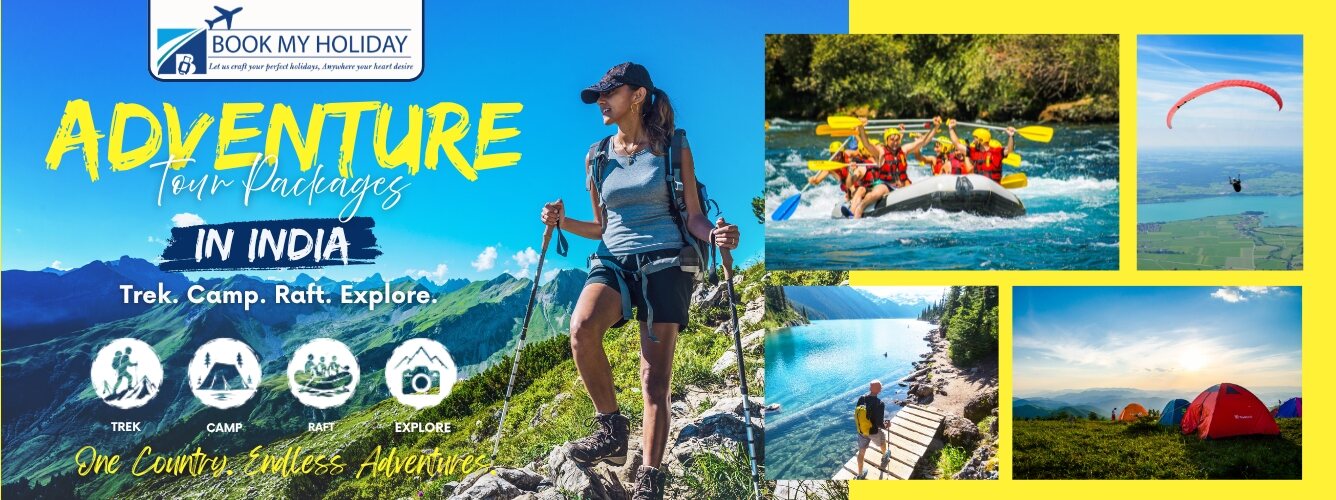
India is a playground for anyone who wants their holiday to come with an adrenaline kick. From snow-capped Himalayan trails to white-water rapids, desert dunes to coral reefs, the country offers a range of experiences that few destinations in the world can match. If you are searching for the best adventure tour packages in India, you are really choosing between mountains, rivers, deserts, and coastlines — each with its own thrill waiting to be booked.
Whether you are a first-time trekker, a rafting enthusiast, or someone who simply wants to explore offbeat corners of the country, there is an adventure holiday package designed for you. This guide covers 20 of the most exciting destinations across India, along with what makes each one worth adding to your itinerary. These adventure tours in India span trekking trails, camping grounds, river rafting stretches, and unexplored regions perfect for the modern explorer.
1. Rishikesh, Uttarakhand
Known as the rafting capital of India, Rishikesh sits on the banks of the Ganges and offers some of the most thrilling white-water rapids in the country, ranging from Grade I to Grade IV. Beyond rafting, the town is a hub for bungee jumping, cliff jumping, and riverside camping under starlit skies. Its spiritual side, with ashrams and yoga centres, balances out the adrenaline with a calmer note. Most adventure tour packages in India that focus on rafting begin here, making it an easy add-on to a Himalayan itinerary. The combination of adventure and tranquillity is what keeps travellers returning.
Why Visit:
- Grade I to IV river rafting on the Ganges
- Riverside camping with bonfire nights
- Bungee jumping and giant swing activities
- Easy access from Delhi and Dehradun
- Mix of adventure and spiritual experiences
2. Manali, Himachal Pradesh
Manali is one of the most popular starting points for trekking packages in India, offering routes like Hampta Pass and Beas Kund that suit both beginners and seasoned trekkers. The town itself is surrounded by pine forests, apple orchards, and views of the Pir Panjal range, making even casual walks feel like an expedition. Paragliding in Solang Valley and river crossing activities add an extra thrill for adventure seekers. Winters bring skiing opportunities, while summers are ideal for camping near alpine meadows. Manali’s infrastructure makes it approachable for families while still delivering genuine mountain adventure.
Why Visit:
- Hampta Pass and Beas Kund trekking trails
- Paragliding and zorbing in Solang Valley
- Skiing during the winter months
- Riverside and meadow camping options
- Easily combined with Kasol and Spiti itineraries
3. Leh-Ladakh
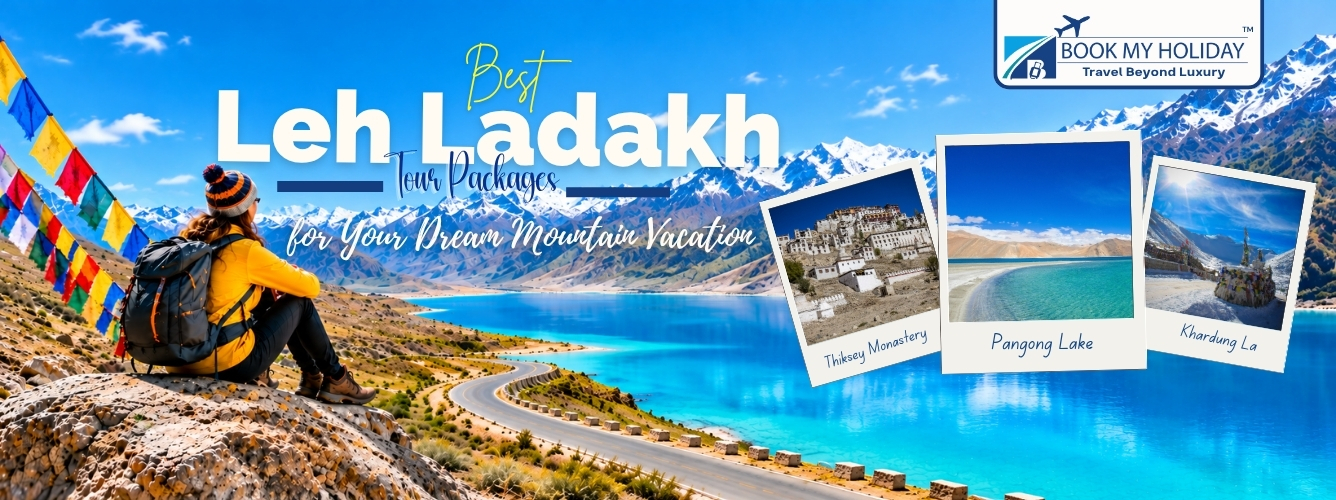
Ladakh is the ultimate destination for those chasing high-altitude adventure, from motorbiking across Khardung La to trekking through the Markha Valley. The stark, moon-like landscape, paired with turquoise lakes like Pangong and Tso Moriri, creates a surreal backdrop unlike anywhere else in India. River rafting on the Zanskar and Indus rivers adds another layer of thrill for those visiting between June and September. Camping under Ladakh’s clear night skies, often with visible stars and the Milky Way, is an experience many travellers rank as unforgettable. It remains a bucket-list entry in most of the best adventure tour packages in India.
Why Visit:
- Motorbiking routes over some of the world’s highest passes
- Markha Valley and Stok Kangri trekking options
- Rafting on the Zanskar and Indus rivers
- Camping beside Pangong and Tso Moriri lakes
- Rich Buddhist monastery culture along the way
4. Spiti Valley, Himachal Pradesh
Often called India’s cold desert, Spiti Valley offers a rugged, remote adventure experience with ancient monasteries, fossil-rich terrain, and villages that sit among the highest inhabited places in the world. Trekking routes like Pin Parvati Pass challenge even experienced hikers, while the drive itself along narrow mountain roads is an adventure in its own right. Camping near Chandratal Lake, with its clear reflection of surrounding peaks, is a highlight for most visitors. The valley’s isolation means fewer crowds and a rawer sense of exploration compared to more commercial hill stations.
Why Visit:
- Pin Parvati Pass trekking route
- Camping at the pristine Chandratal Lake
- Visits to centuries-old monasteries like Key and Tabo
- Thrilling mountain road drives
- Remote, less-commercialised adventure experience
5. Auli, Uttarakhand
Auli is best known as India’s premier skiing destination, with slopes that open up views of Nanda Devi and other Himalayan giants. Beyond winter sports, it offers excellent trekking trails and one of the longest cable car rides in Asia, giving non-skiers a chance to enjoy the scenery as well. Summer months bring lush meadows ideal for short treks and camping, making Auli a year-round adventure spot. Its proximity to Badrinath also allows travellers to combine adventure with pilgrimage tourism. For winter-focused adventure holiday packages, Auli remains one of the top picks in North India.
Why Visit:
- Skiing and snowboarding on Himalayan slopes
- Asia’s longest cable car ride for panoramic views
- Summer treks through alpine meadows
- Close to Badrinath and Joshimath
- Suitable for both beginners and experienced skiers
6. Coorg, Karnataka
Nicknamed the Scotland of India, Coorg combines misty hills, coffee plantations, and dense forests that are perfect for trekking and nature walks. Adventure activities here include river rafting on the Barapole River, mountain biking through plantation trails, and camping near Abbey Falls. The region’s biodiversity, including the Nagarhole and Brahmagiri wildlife sanctuaries, appeals to travellers who want adventure paired with wildlife spotting. Coorg’s cooler climate makes it a comfortable choice for outdoor activities throughout much of the year, unlike some of the more extreme Himalayan destinations.
Why Visit:
- Rafting on the Barapole River
- Trekking trails through coffee estates and forests
- Camping near waterfalls and wildlife sanctuaries
- Mountain biking on plantation trails
- Pleasant climate for year-round adventure
7. Munnar, Kerala
Munnar’s rolling tea gardens and misty hills make it one of South India’s most scenic destinations. Trekking routes here wind through tea estates and up to peaks like Meesapulimala, the second-highest peak in South India. Adventure seekers can also try rock climbing, rappelling, and camping near Top Station for sweeping valley views. The Eravikulam National Park, home to the endangered Nilgiri Tahr, adds a wildlife element to the trip. Munnar suits travellers looking for a gentler introduction to trekking without sacrificing scenic reward.
Why Visit:
- Trekking to Meesapulimala and surrounding peaks
- Rock climbing and rappelling activities
- Camping with valley and tea garden views
- Wildlife spotting at Eravikulam National Park
- Cooler climate ideal for outdoor activity
8. Gulmarg, Kashmir
Gulmarg is synonymous with skiing in India, hosting one of the highest gondola rides in the world that takes visitors up to Apharwat Peak. In winter, the region draws skiers and snowboarders from across the globe, while summer opens up trekking routes through alpine meadows dotted with wildflowers. Golfing at one of the world’s highest golf courses adds a quirky adventure option for those not chasing snow sports. The combination of dramatic scenery and serious winter sports infrastructure makes Gulmarg a standout entry among adventure tour packages in India.
Why Visit:
- World-class skiing and snowboarding terrain
- Gondola ride to Apharwat Peak
- Summer trekking through wildflower meadows
- High-altitude golf course experience
- Stunning views of the Pir Panjal range
9. Sikkim (Gangtok and Yuksom)
Sikkim offers some of the most rewarding trekking experiences in the Eastern Himalayas, including the Goecha La trek with close-up views of Kanchenjunga, the world’s third-highest peak. Yuksom serves as the base for several multi-day treks through rhododendron forests and remote monasteries. River rafting on the Teesta River near Gangtok adds a water-based adventure to the itinerary. Sikkim’s well-preserved culture, clean towns, and biodiversity make it a favourite for travellers who want adventure alongside a strong sense of place. It is increasingly featured in curated adventure trips in India for its variety.
Why Visit:
- Goecha La trek with Kanchenjunga views
- River rafting on the Teesta River
- Rhododendron forest trails near Yuksom
- Clean, well-organised tourism infrastructure
- Rich monastery and Himalayan culture
10. Andaman Islands
For travellers who want their adventure underwater, the Andaman Islands deliver with scuba diving, snorkelling, and sea walking amid vibrant coral reefs. Havelock Island and Neil Island are popular bases for exploring dive sites suited to both beginners and certified divers. Beyond water sports, the islands offer kayaking through mangroves and trekking to lesser-known beaches like Elephant Beach. The turquoise waters and relatively untouched marine life make the Andamans a distinct entry among the best adventure tour packages in India, especially for those seeking a tropical alternative to mountain adventure.
Why Visit:
- Scuba diving and snorkelling at coral reefs
- Sea walking experiences for non-swimmers
- Kayaking through mangrove creeks
- Trekking to secluded beaches
- Rich marine biodiversity around Havelock and Neil Island
11. Jaisalmer, Rajasthan
Jaisalmer swaps mountains and rivers for golden sand dunes, offering a completely different flavour of adventure. Camel safaris and dune bashing in the Thar Desert are the highlights, often paired with overnight desert camping under clear skies. The Sam and Khuri dunes are popular spots for cultural evenings with folk music and dance alongside the adventure activities. Quad biking across the desert has also grown popular among younger travellers looking for speed. Jaisalmer’s desert adventure packages offer a striking contrast to the Himalayan-heavy options on most adventure itineraries.
Why Visit:
- Camel safaris across the Thar Desert
- Dune bashing and quad biking
- Overnight desert camping with cultural performances
- Sunset views over the Sam dunes
- Unique adventure experience distinct from mountain treks
12. Kasol, Himachal Pradesh
Tucked in the Parvati Valley, Kasol has become a magnet for backpackers and trekkers heading toward Kheerganga and Tosh. The trek to Kheerganga, known for its natural hot springs at the summit, is one of the most popular short treks in North India. Riverside camping along the Parvati River is common, with many campsites offering bonfire evenings and mountain views. Kasol’s laid-back, café-lined main street gives it a distinct backpacker culture that blends adventure with relaxation. It pairs well with Manali and Bir Billing for a longer Himachal adventure circuit.
Why Visit:
- Trek to Kheerganga hot springs
- Riverside camping along the Parvati River
- Access to remote villages like Tosh and Malana
- Backpacker-friendly cafés and stays
- Easy to combine with Manali and Bir Billing
13. Bir Billing, Himachal Pradesh
Bir Billing is recognised as one of the best paragliding sites in the world, drawing both amateur flyers and international competitors. Tandem paragliding flights here offer sweeping views of the Kangra Valley from launch sites over 2,400 metres high. Beyond flying, the region offers short treks through pine forests and camping near Billing’s high-altitude meadows. The nearby Tibetan settlement of Bir adds a cultural layer with monasteries and monastic learning centres. For travellers specifically chasing aerial adventure, Bir Billing is a must-include stop.
Why Visit:
- World-class paragliding site with tandem flight options
- Panoramic views of the Kangra Valley
- Short treks through pine forests
- Camping near high-altitude meadows
- Tibetan monasteries and cultural attractions nearby
14. Meghalaya (Cherrapunji and Shillong)
Meghalaya offers an adventure experience unlike anywhere else in India, centred around its network of limestone caves and living root bridges. Caving expeditions near Cherrapunji, one of the wettest places on earth, take travellers through dramatic underground chambers. The double-decker living root bridges near Nongriat require a trek down steep, moss-covered steps, rewarding hikers with a genuinely unique structure. Waterfall rappelling and river trekking are also gaining popularity in the region. Meghalaya’s blend of caving, trekking, and natural wonders makes it a rising favourite in adventure holiday packages.
Why Visit:
- Caving expeditions through limestone cave systems
- Trek to the living root bridges of Nongriat
- Waterfall rappelling near Cherrapunji
- Lush, rain-fed landscapes and biodiversity
- Unique adventure experiences not found elsewhere in India
15. Goa
Beyond its beaches and nightlife, Goa offers a strong lineup of water sports, including jet skiing, parasailing, banana boat rides, and scuba diving along its coastline. Inland, the state has trekking trails through the Western Ghats leading to waterfalls like Dudhsagar, along with river rafting on the Mhadei River during monsoon season. Kayaking through Goa’s backwaters and mangroves is a quieter but equally rewarding option. The combination of coastal water sports and inland forest adventure gives Goa more range than its beach-party reputation suggests.
Why Visit:
- Jet skiing, parasailing, and scuba diving along the coast
- Trek to Dudhsagar Waterfalls
- Monsoon river rafting on the Mhadei River
- Kayaking through mangroves and backwaters
- Easy to combine adventure with beach relaxation
16. Wayanad, Kerala
Wayanad’s dense forests and rolling hills make it one of Kerala’s best destinations for trekking, with routes leading to peaks like Chembra and Banasura Hill. The region’s caves, including the prehistoric Edakkal Caves with ancient rock carvings, add a historical dimension to the adventure. Bamboo rafting on the Kabini River and camping near Pookode Lake round out the outdoor offerings. Wildlife enthusiasts can also explore Wayanad Wildlife Sanctuary, home to elephants and other Western Ghats species. It is a well-rounded stop for travellers wanting trekking, water activities, and wildlife in one trip.
Why Visit:
- Trekking to Chembra and Banasura Hill peaks
- Historic Edakkal Caves with ancient carvings
- Bamboo rafting on the Kabini River
- Camping near Pookode Lake
- Wildlife sanctuary with elephant sightings
17. Dharamshala and McLeod Ganj, Himachal Pradesh
Dharamshala combines Tibetan culture with genuine Himalayan adventure, offering treks like Triund that are accessible even to first-time hikers over a single weekend. The region is also a base for paragliding, with launch sites offering views over the Kangra Valley similar to those in nearby Bir Billing. Longer treks toward Indrahar Pass challenge more experienced trekkers with high-altitude terrain. McLeod Ganj’s monasteries and Tibetan markets add a cultural stop between adventure activities. Its accessibility from Delhi makes it a popular weekend adventure destination.
Why Visit:
- Beginner-friendly Triund trek
- Paragliding over the Kangra Valley
- Indrahar Pass trek for experienced hikers
- Tibetan culture and monasteries in McLeod Ganj
- Easily accessible for short weekend trips
18. Chopta, Uttarakhand
Often called the “Mini Switzerland of India,” Chopta is the base for the Chandrashila trek, one of the most scenic short treks in the Garhwal Himalayas. The trail passes through the Tungnath temple, the highest Shiva temple in the world, before reaching the summit with panoramic views of peaks like Nanda Devi and Trishul. Camping near Deoria Tal, a high-altitude lake reflecting surrounding forests, is another highlight for visitors. Chopta’s relatively untouched meadows and lower crowd levels compared to other Uttarakhand destinations make it appealing for travellers wanting a quieter Himalayan adventure.
Why Visit:
- Chandrashila trek with panoramic Himalayan views
- Visit to the high-altitude Tungnath temple
- Camping near Deoria Tal Lake
- Less crowded than other Uttarakhand hill stations
- Rich alpine meadows and forest trails
19. Hampi, Karnataka
Hampi is best known for its ancient ruins, but its boulder-strewn landscape has also made it a major bouldering and rock climbing destination in India. Climbers travel here specifically for the granite formations scattered across the Tungabhadra River basin. Coracle rides on the river offer a relaxed water-based activity, while cycling through the ruins combines exploration with light adventure. Sunset points atop Hampi’s boulders provide some of the most photographed views in South India. The mix of history and adventure sets Hampi apart from more conventional adventure destinations.
Why Visit:
- Bouldering and rock climbing on granite formations
- Coracle rides on the Tungabhadra River
- Cycling through ancient temple ruins
- Sunset viewpoints atop rock boulders
- Unique blend of history and adventure sport
20. Kodaikanal, Tamil Nadu
Kodaikanal offers a gentler but still rewarding adventure experience, with trekking trails leading to Dolphin’s Nose and Pillar Rocks through dense shola forests. Rappelling and rock climbing activities are available near Kodai Lake and the surrounding cliffs, suited to beginners and intermediate adventurers alike. Cycling around Kodai Lake is a popular low-intensity activity for families travelling with the group. The cool climate and pine forests make camping trips on the outskirts of the town a comfortable experience most of the year. Kodaikanal rounds out this list as an accessible South Indian adventure destination.
Why Visit:
- Trekking to Dolphin’s Nose and Pillar Rocks
- Rappelling and rock climbing near Kodai Lake
- Family-friendly cycling routes around the lake
- Camping in the surrounding pine and shola forests
- Pleasant climate suitable for most of the year
How to Choose the Best Adventure Tour Packages in India
Choosing the right package depends on your interests, fitness level, travel season, and budget. A well-designed adventure package should include transportation, accommodation, experienced guides, safety equipment, permits, meals, and emergency support.
Before booking, compare different itineraries, read traveller reviews, check activity inclusions, and ensure that certified adventure operators manage high-risk activities like rafting, paragliding, skiing, and trekking.
Best Time to Book Adventure Tour Packages
India offers year-round adventure opportunities.
- March to June: Trekking, camping, biking, rafting.
- July to September: Meghalaya, Western Ghats, waterfalls.
- October to November: Himalayan expeditions and pleasant weather.
- December to February: Skiing, snow camping, winter trekking.
Planning according to seasonal conditions ensures a safer and more enjoyable experience.
Essential Tips for Adventure Travelers
Adventure travel requires proper preparation. Packing wisely and following safety instructions can significantly improve your experience.
- Carry quality trekking shoes.
- Pack weather-appropriate clothing.
- Stay hydrated.
- Keep first-aid essentials.
- Follow certified guides.
- Purchase travel insurance.
- Carry necessary identification.
- Respect local communities and nature.
- Avoid plastic waste.
- Book adventure activities through trusted operators.
Final Thoughts
India’s incredible diversity makes it one of the world’s finest destinations for adventure tourism. Whether you dream of rafting through Himalayan rivers, trekking across snow-covered mountains, camping beneath starry skies, exploring dense forests, or diving into crystal-clear waters, there’s an unforgettable experience waiting for you.
Choosing the Best Affordable Adventure Tour Packages in India helps you enjoy these thrilling destinations with professional planning, enhanced safety, and maximum comfort. From the towering Himalayas to tropical islands and wildlife-rich jungles, every destination offers its own unique blend of excitement and natural beauty.
If you’re ready to break free from ordinary vacations, pack your backpack, embrace the outdoors, and embark on an extraordinary adventure across India.
Frequently Asked Questions
Q1. What is the best time to book adventure tour packages in India?
Ans: It depends on the destination. Himalayan treks and camping are best from April to June and September to November, while skiing destinations like Gulmarg and Auli are ideal in winter (December to February). Rafting in Rishikesh peaks between September and June, and desert adventures in Rajasthan are best in the cooler months from October to March.
Q2. Are adventure tour packages in India suitable for beginners?
Ans: Yes. Many destinations, such as Kasol, Dharamshala, Munnar, and Kodaikanal, offer beginner-friendly treks and activities with professional guides, making them accessible even for first-timers.
Q3. Which destination is best for river rafting?
Ans: Rishikesh remains the top choice for river rafting, with rapids ranging from Grade I to Grade IV suited to different experience levels. Sikkim’s Teesta River and Goa’s Mhadei River are also popular options.
Q4. Is camping available at most adventure destinations?
Ans: Most destinations on this list, including Chopta, Jaisalmer, Ladakh, and Spiti Valley, offer camping options ranging from riverside and lakeside sites to desert and high-altitude meadow camps.
Q5. Do I need prior experience for high-altitude treks like Ladakh or Goecha La?
Ans: These are more demanding treks and are generally recommended for those with prior trekking experience or good physical fitness. Beginners are advised to start with shorter treks before attempting high-altitude routes.
Q6. Can adventure activities be combined with sightseeing in the same trip?
Ans: Yes, most packages combine activities like trekking or rafting with cultural sightseeing, making them well-rounded holiday options rather than activity-only trips.